The relationship between Vaginal Reconstruction Surgery and pelvic floor health is an important aspect of women’s reproductive and functional well-being, as both are closely connected through shared muscles, connective tissues, and structural support systems. When pelvic floor integrity is compromised due to childbirth, aging, trauma, or medical conditions, it can affect vaginal structure, urinary control, and overall comfort. Understanding this connection helps patients and healthcare providers approach treatment in a more holistic way, focusing not only on structural repair but also on restoring strength, stability, and long-term pelvic health.
Understanding Pelvic Floor Anatomy and Function:
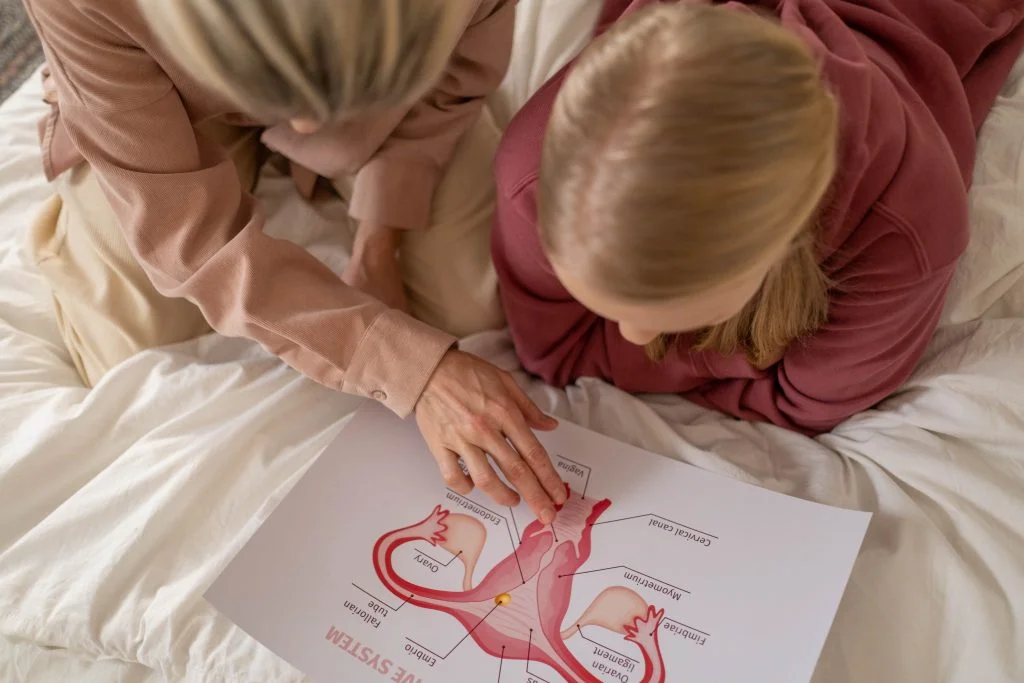
The pelvic floor is a complex network of muscles, ligaments, and connective tissues that supports the bladder, uterus, vagina, and rectum. It plays a crucial role in maintaining continence, sexual function, and core stability.
Key functions of the pelvic floor include:
- Supporting pelvic organs in their correct anatomical position
- Controlling bladder and bowel function
- Contributing to sexual sensation and function
- Stabilizing the core and lower spine
- Assisting in childbirth and postpartum recovery
When these muscles weaken or become damaged, women may experience a range of symptoms affecting daily life. Understanding this anatomy is essential for recognizing how reconstructive procedures interact with pelvic floor health and why comprehensive treatment approaches are often necessary.
How Pelvic Floor Weakness Develops:
Pelvic floor dysfunction can develop gradually or suddenly depending on contributing factors. It is commonly associated with events or conditions that place stress on pelvic muscles and tissues.
Common causes of pelvic floor weakness include:
- Pregnancy and vaginal childbirth
- Aging and hormonal changes, especially menopause
- Chronic heavy lifting or physical strain
- Obesity increasing pressure on pelvic structures
- Previous pelvic surgeries or trauma
Over time, weakened pelvic support can lead to issues such as prolapse, urinary incontinence, or reduced vaginal tone. These conditions not only affect physical health but can also impact emotional well-being and confidence, making timely diagnosis and treatment important.
The Role of Vaginal Reconstruction Surgery in Pelvic Support:
Reconstructive procedures are often considered when pelvic floor dysfunction significantly affects quality of life and does not respond to conservative treatments. These procedures aim to restore anatomical alignment and improve structural support.
Ways the procedure can support pelvic health include:
- Strengthening weakened vaginal walls and surrounding tissues
- Restoring anatomical positioning of pelvic organs
- Improving support for bladder and bowel function
- Enhancing tissue elasticity and structural integrity
- Reducing symptoms of pelvic discomfort or laxity
While surgery alone may not fully correct all pelvic floor issues, it can play a significant role as part of a broader treatment plan. In many cases, it is combined with physiotherapy and lifestyle modifications for optimal outcomes.
Non-Surgical Treatments for Pelvic Floor Health:
Before considering surgical options, many healthcare providers recommend conservative treatments to improve pelvic strength and function. These approaches can be highly effective, especially in early or moderate cases of dysfunction.
Common non-surgical treatments include:
- Pelvic floor muscle training (Kegel exercises)
- Biofeedback therapy to improve muscle control
- Electrical stimulation techniques for muscle strengthening
- Hormonal therapy in cases of estrogen deficiency
- Lifestyle changes such as weight management and posture correction
These methods help improve muscle tone and function without invasive intervention. For many women, consistent practice of these therapies leads to noticeable improvements in symptoms and overall pelvic stability.
Recovery and Rehabilitation After Surgical Intervention:
Recovery after reconstructive procedures involving pelvic structures requires a carefully managed rehabilitation process to ensure proper healing and long-term success. Healing involves both tissue repair and gradual restoration of muscle function.
Key recovery considerations include:
- Resting and avoiding heavy physical strain during early healing
- Gradual reintroduction of pelvic floor exercises as advised
- Attending follow-up appointments for progress monitoring
- Managing pain and inflammation with prescribed medication
- Avoiding activities that increase abdominal pressure
Rehabilitation may also include specialized pelvic physiotherapy to rebuild strength and coordination. Patients who actively participate in post-operative care tend to achieve better functional outcomes and improved quality of life.
Long-Term Pelvic Health Maintenance:
Maintaining pelvic floor health after treatment is essential to preserve surgical results and prevent recurrence of symptoms. Long-term care focuses on strengthening, lifestyle balance, and preventive habits.
Helpful long-term maintenance strategies include:
- Regular pelvic floor exercises to maintain muscle strength
- Maintaining a healthy body weight to reduce pressure on pelvic structures
- Avoiding chronic constipation through dietary fiber intake
- Practicing proper lifting techniques to prevent strain
- Scheduling routine gynecological checkups
Sustained care ensures that improvements achieved through treatment remain stable over time. Combining medical guidance with healthy lifestyle habits supports ongoing pelvic wellness and reduces the risk of future complications.
Emotional and Quality-of-Life Improvements:
Pelvic floor dysfunction can significantly affect emotional well-being, confidence, and daily comfort. Successful treatment, whether surgical or non-surgical, often leads to meaningful improvements in quality of life.
Common positive outcomes include:
- Increased confidence in physical activities and daily routines
- Improved comfort during movement and exercise
- Enhanced intimate relationships and self-esteem
- Reduced anxiety related to bladder or bowel control issues
- Greater sense of physical stability and well-being
Addressing pelvic health holistically ensures that both physical and emotional aspects are supported, leading to more complete and satisfying recovery outcomes.
Final Thoughts:
The connection between pelvic floor health and reconstructive gynecological procedures highlights the importance of a comprehensive and individualized approach to treatment. Strengthening and restoring pelvic support can significantly improve both function and quality of life.
When combined with rehabilitation, lifestyle changes, and ongoing care, treatment outcomes are often long-lasting and effective. Understanding this link empowers women to make informed decisions and take proactive steps toward better pelvic health and overall well-being.


 Arabic
 French
 Spanish
 Portuguese
 Deutsch
 Turkish
 Dutch
Dutch
 Italiano
 Russian
 Romaian
 Portuguese (Brazil)
 Greek
Greek
