
The Interconnected Ecosystem of the Thriving Nigeria Telecom Industry
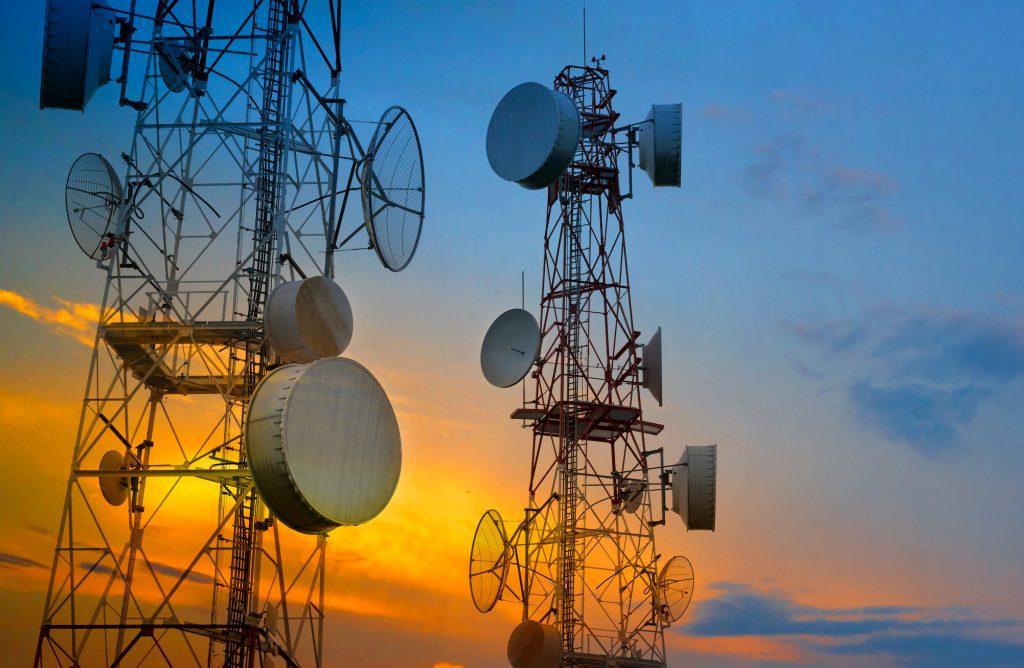
The engine of digital connectivity in Africa's most populous nation is not just a few mobile operators but a complex, multi-layered, and deeply interconnected ecosystem. The Nigeria Telecom industry is a vibrant network of public and private sector players, each contributing a critical piece to the overall value chain. At its core are the Mobile Network Operators (MNOs)—MTN, Airtel, Glo, and 9mobile—who are the primary license holders and the main interface with the consumer. They are responsible for investing in the active network equipment, marketing the services, and managing the customer relationship. Their capital expenditure decisions and competitive strategies are the primary forces that shape the industry's direction and pace of development.
Supporting the MNOs is a crucial layer of infrastructure companies. This includes the tower companies ("TowerCos"), such as IHS Towers, which own, build, and lease the physical cell towers, allowing the MNOs to deploy their networks faster and more cost-effectively. It also includes a growing number of fiber optic infrastructure companies ("FiberCos") that are laying the high-capacity fiber backbone and metro rings that are essential for backhauling the massive amounts of data generated by 4G and 5G networks. This infrastructure-sharing model has become a key feature of the industry, promoting greater efficiency and deeper network penetration across the country.
Overseeing this entire structure is the critical regulatory layer, led by the Nigerian Communications Commission (NCC). The NCC is responsible for licensing operators, allocating spectrum, setting quality of service standards, and implementing government policy. Its decisions on issues like spectrum auctions, SIM registration rules (such as the NIN-SIM linkage), and infrastructure sharing policies have a profound and direct impact on the industry's investment climate and competitive dynamics. This intricate interplay between the operators, the infrastructure providers, and the regulator creates a dynamic and constantly evolving industry that is fundamental to Nigeria's digital future.

 English
 Arabic
 French
 Portuguese
 Deutsch
 Turkish
 Dutch
Dutch
 Italiano
 Russian
 Romaian
 Portuguese (Brazil)
 Greek
Greek
